The Art of Handwritten Typography: Integrating "Hopefully" into Modern Design
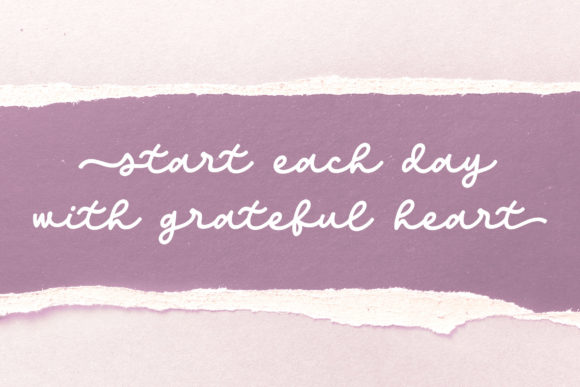
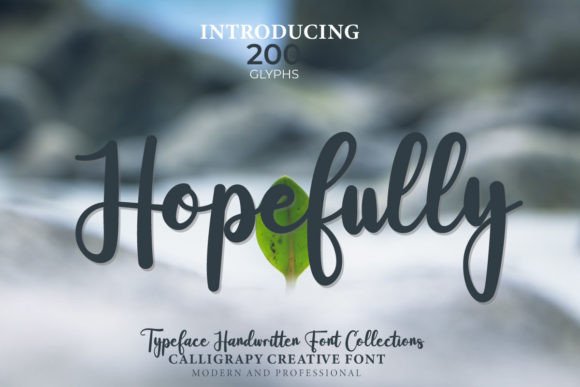
Imagine a brand voice that feels instantly personal, warm, and authentically human before a single word is even read. In a digital landscape saturated with sharp, geometric sans-serifs, the right typeface can be the bridge between cold professionalism and heartfelt connection. This is where Hopefully enters the conversation—a beautifully crafted handwritten font designed to infuse projects with elegance and approachability.
Typography is the silent ambassador of your brand identity. While serif fonts suggest tradition and sans-serifs imply modernity, a script font like Hopefully communicates intimacy and creativity. It is not merely about the letters themselves, but the texture and rhythm they bring to the page. When used correctly, it elevates the visual hierarchy, guiding the viewer’s eye not just through the information, but through an emotional experience.
Practical Applications for Visual Impact
The versatility of a high-quality handwritten asset lies in its ability to adapt to various mediums without losing its charm. Whether you are a graphic designer working on a luxury brand or a small business owner crafting social media graphics, the applications are extensive and impactful.
Hopefully is particularly effective in scenarios where you need to break the grid of standard text. Consider using it for:
- Logo Design and Branding: Creating a distinct wordmark that stands out from competitors using standard typography. It adds a bespoke feel to business cards and letterheads.
- Invitations and Stationery: Perfect for wedding invitations, event headers, and thank-you notes where a personal touch is paramount.
- Digital Marketing: Enhancing social media posts, email headers, and advertisements to stop the scroll. Handwritten elements often increase engagement rates by feeling less like an ad and more like a conversation.
- Packaging and Product Design: Adding artisanal value to product labels. A handwritten script suggests that a product is hand-crafted, small-batch, or premium.
- Editorial and Web Design: Using the font for pull quotes or hero text on websites to create a striking visual hierarchy against clean body copy.
Strategic Integration in Design Workflow
While a font like Hopefully offers immense aesthetic value, professional application requires strategy. The goal of visual design is clarity; therefore, readability must always be prioritized. A flowing script is beautiful for headlines, but it can hinder user experience (UX) if used for long-form body text.
When integrating this typeface into your design workflow, focus on contrast. Pairing the fluid movement of Hopefully with a clean, geometric sans-serif creates a balanced composition. This contrast establishes a clear visual hierarchy, allowing the handwritten elements to serve as focal points while the supporting text carries the detailed information.
Furthermore, consider the psychological impact on your audience. In UI design, a touch of handwriting can humanize an interface, making a "Submit" button or a "Welcome" message feel more genuine. In packaging design, it bridges the gap between the consumer and the creator, suggesting that there is a person behind the product, not just a machine.
Choosing Quality Creative Assets
Not all script fonts are created equal. When evaluating typography for professional branding, look for consistency in stroke weight and natural ligatures. A superior font file should offer high scalability, ensuring that the edges remain crisp whether the text is a watermark on a photograph or a massive headline on a wall display.
Investing in quality creative assets streamlines the design process. Instead of spending hours adjusting bezier curves to create a custom script, professionals can utilize a robust typeface like Hopefully to achieve the same bespoke look with greater efficiency and reliability.
Ultimately, the tools you choose define the quality of your output. By thoughtfully selecting typography that aligns with your brand values—such as the warmth and elegance of Hopefully—you ensure that your visual communication is not only seen but felt. This attention to detail separates generic designs from those that leave a lasting, professional impression.