Small Memory: A Charming Font for Modern Design
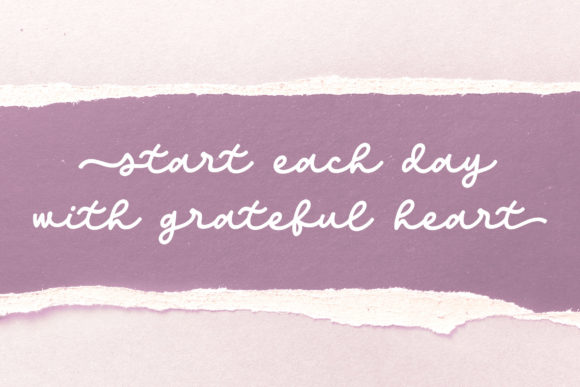
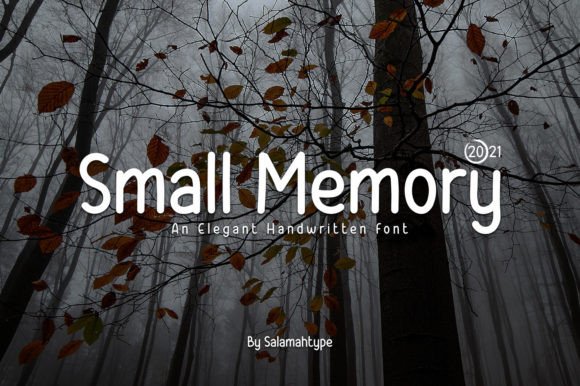
In the crowded landscape of digital and print design, a distinctive typeface can be the silent ambassador of your brand's personality. Small Memory, a cute and clean handwritten font, offers a unique blend of warmth and professionalism that immediately captures attention. Its approachable character makes it an exceptional choice for projects that require a personal touch without sacrificing clarity, making it a versatile asset in any designer's toolkit.
Typography is a cornerstone of visual communication, and selecting the right font is a critical design decision. A handwritten style like Small Memory injects authenticity and human connection into a brand's voice. This is particularly valuable in an era where consumers crave genuine interactions. The font's clean legibility ensures that its charm does not compromise readability, which is essential for effective branding and user experience.
Practical Applications Across Creative Projects
The utility of a well-crafted font extends across numerous design disciplines. Small Memory's aesthetic is perfectly suited for a variety of applications, enhancing visual hierarchy and modern aesthetics.
- Branding and Logo Design: It helps craft memorable logos and brand identities that feel friendly and trustworthy, ideal for lifestyle brands, boutique businesses, and creative studios.
- Marketing Materials: Elevate digital marketing collateral, from social media graphics to email newsletters, with a touch of personality that boosts engagement.
- Product and Packaging Design: Add a handcrafted, artisanal feel to product packaging and stationery, strengthening the tactile and visual appeal of physical goods.
- Digital and Editorial Design: Use it for headlines, pull quotes, or accent text in web design, UI elements, e-books, and magazines to create visual interest and guide the reader's eye.
- Advertising and Presentations: Create impactful advertising campaigns and professional presentations that stand out with a unique typographic voice.
Integrating Typography into Your Design Workflow
When incorporating a font like Small Memory, consider its role within your broader design system. Effective use involves more than just liking the style; it requires strategic implementation. Always test the font in context with your chosen color palette, imagery, and other visual elements to ensure harmony. Pay close attention to scalability and readability across different sizes and mediums, from a small mobile screen to a large poster.
Think about your audience's expectations. A handwritten font communicates informality and creativity, so it pairs exceptionally well with clean sans-serifs for body copy to maintain balance. This combination supports a clear visual hierarchy, ensuring your message is both engaging and easy to digest. For graphic designers, having such a creative asset on hand streamlines the design workflow, allowing for quick exploration of styles that resonate with a project's goals.
Ultimately, the power of a design lies in its ability to communicate effectively and create an emotional response. Choosing thoughtful creative assets like the Small Memory font is not merely a decorative choice—it's a strategic decision that enhances brand identity, improves user engagement, and elevates the overall quality of your creative projects. By prioritizing typography that aligns with your visual and communicative goals, you invest in a more polished and professional presentation that resonates deeply with your audience.