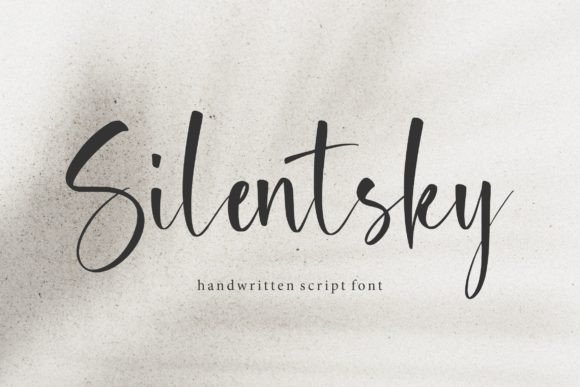
Silentsky: The Elegant Handwritten Font for Modern Design
Every designer knows the search for the perfect typeface can define a project's entire visual language. When a design calls for a personal, human touch that feels both sophisticated and approachable, the choice of font becomes critical. This is where a unique resource like Silentsky, an elegant handwritten font, enters the conversation, offering a solution that blends artistic flair with functional beauty.
The Role of Typography in Visual Communication
Typography is a cornerstone of effective graphic design. It's not merely about choosing letters; it's about selecting a voice for your visual message. The right font can establish a mood, convey professionalism, and guide the viewer's eye. In a landscape saturated with digital noise, a carefully chosen typeface like Silentsky can cut through the clutter, offering a sense of authenticity and craftsmanship that resonates on a personal level.
Why Silentsky Stands Out
Silentsky is more than just a script font. Its design balances fluid, organic strokes with a clean, legible structure. This makes it exceptionally versatile. Unlike overly ornate scripts that can sacrifice readability, Silentsky maintains clarity at various sizes, a crucial factor for both print design and digital applications. Its character set often includes stylistic alternates and ligatures, allowing designers to create truly custom letterforms for logos, headlines, and branding elements.
Practical Applications Across Creative Projects
The true value of a creative asset is measured by its utility. Silentsky's elegant style makes it a powerful tool across numerous design disciplines:
- Branding and Logo Design: It can inject personality into a brand identity, perfect for boutique businesses, artisans, or lifestyle brands seeking a human-centric feel.
- Marketing Materials: From thank you cards and wedding invitations to premium brochures and sales collateral, it adds a touch of personalized elegance that strengthens customer connection.
- Social Media Graphics: In a feed of stark, geometric fonts, Silentsky can make quotes, announcements, and promotional posts stand out with a warm, engaging aesthetic.
- Website and UI Design: Used strategically for hero text, call-to-action buttons, or decorative elements, it can soften a digital interface and improve user experience (UX) by adding visual interest.
- Packaging and Editorial Design: On product labels, book covers, or magazine layouts, it contributes to a high-end, artisanal presentation that captures attention on shelves and pages.
Integrating Silentsky into Your Design Workflow
Adopting a new font into your creative projects requires thoughtful implementation. To ensure Silentsky enhances rather than overwhelms your design, consider these practical tips:
- Establish Visual Hierarchy: Use Silentsky for headlines or key phrases to draw focus. Pair it with a clean, neutral sans-serif or serif font for body text to ensure optimal readability and create a balanced typographic scale.
- Mind the Context: Always consider your audience and project goals. While perfect for romantic or boutique themes, it may not suit corporate reports or technical manuals. Align the font's personality with your brand's voice.
- Test for Scalability: Check how the font renders at different sizes, from a small favicon to a large banner. Its legibility on both screen and print is a testament to its thoughtful design.
- Explore Color and Composition: Silentsky often pairs beautifully with soft, muted color palettes or classic black and white. Use ample white space to let its elegant curves breathe and command attention.
In the realm of modern design, where authenticity and connection are paramount, the tools you choose have a profound impact. Selecting a typeface is a decision that affects branding, user engagement, and the overall quality of your visual communication. By integrating a thoughtfully designed asset like Silentsky into your toolkit, you gain the ability to infuse projects with a distinct, personal character that elevates the aesthetic and deepens the narrative, proving that the right creative resource is an investment in both beauty and function.