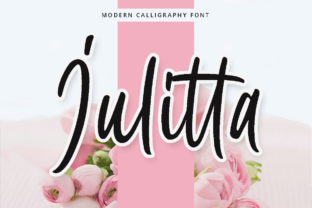
Julitta: The Handwritten Font for Elegant Design
In the crowded world of digital communication, finding a font that feels both personal and polished is like striking gold. Julitta, an enchanting handwritten font, masterfully bridges that gap, offering a touch of timeless elegance that can transform a standard design into a memorable visual experience. For graphic designers and brand builders, understanding the strategic use of such a typeface is key to crafting authentic and effective visual narratives.
The Role of Authentic Typography in Modern Branding
Typography is a fundamental pillar of brand identity. The right font does more than display words; it conveys personality, sets a mood, and builds trust. While sans-serifs offer clean modernity and serifs suggest tradition, a carefully crafted script like Julitta introduces warmth, creativity, and human connection. Its classic calligraphic style, paired with a friendly feel, makes it incredibly versatile for projects aiming to balance professionalism with approachability.
Practical Applications for Visual Impact
The true value of a creative asset like Julitta is measured by its utility. Its elegant yet accessible character makes it suitable for a wide range of applications where a personal touch is desired.
- Brand Identity & Logo Design: Use Julitta for logos, brand names, or taglines for businesses in lifestyle, beauty, wellness, or boutique services. It instantly communicates sophistication and care.
- Marketing & Social Media Graphics: Create standout headlines, quotes, or call-to-action elements in digital ads, Instagram stories, or Pinterest pins. It enhances engagement by drawing the eye and evoking emotion.
- Editorial & Packaging Design: Apply it to book covers, magazine features, or product packaging to add a layer of artisanal quality, suggesting craftsmanship and attention to detail.
- Web & UI Design: Strategically use it for hero sections, hero text, or decorative accents in web design. It can guide the user’s eye and improve the overall user experience (UX) by adding visual hierarchy and interest.
- Presentations & Digital Products: Elevate slide decks, e-book covers, or online course materials with a professional yet distinctive aesthetic that holds audience attention.
Integrating Fonts Effectively into Your Design Workflow
Selecting a beautiful font is only the first step. To maximize its impact, consider these practical tips for integration:
Prioritize Readability and Context. While Julitta is designed for clarity, handwritten fonts are best used for headlines, short phrases, or accent text rather than long paragraphs. Ensure the text remains legible across all intended mediums, from a small mobile screen to a printed brochure.
Establish Visual Hierarchy. Pair Julitta with a simple, neutral sans-serif or serif font for body text. This contrast creates a clear hierarchy, making your design easy to scan and visually balanced. The handwritten element becomes a focal point without overwhelming the composition.
Maintain Brand Consistency. If incorporating Julitta into a brand system, define its specific use cases. Document when and where it should appear—such as on social media graphics or specific print materials—to ensure all creative assets align with the overall brand identity.
Consider Color and Composition. The font's elegance is amplified by thoughtful color palettes and clean layouts. Allow it breathing room in your design; a cluttered background or competing visual elements can diminish its impact. Let the typography shine as a key component of your visual design.
Ultimately, the power of a tool like Julitta lies in its ability to infuse projects with authenticity and grace. In a digital landscape often dominated by uniformity, making deliberate, high-quality choices in your creative assets can significantly elevate both the aesthetic appeal and the communicative clarity of your work, fostering a deeper connection with your audience.