Hotcold: The Monoline Handwritten Font for Modern Design
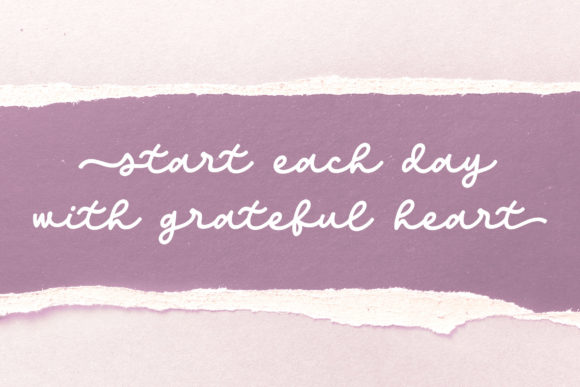
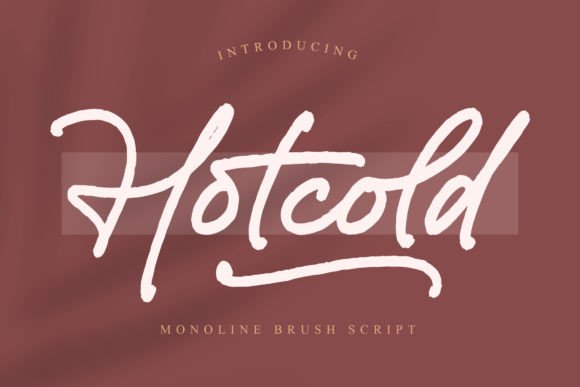
In a digital landscape saturated with clean sans-serifs and rigid serifs, the human touch has become a powerful differentiator. Hotcold, an amazing monoline handwritten font, emerges as a versatile creative asset designed to inject personality and warmth into a multitude of projects. For graphic designers, marketers, and creators seeking a balance between casual authenticity and professional polish, this typeface offers a compelling solution. Its consistent stroke width and fluid letterforms provide a contemporary take on script typography, making it ideal for applications where readability and style must coexist.
The Role of Typography in Visual Communication
Typography is the voice of design. The right font does more than present words; it conveys tone, establishes hierarchy, and builds emotional connections. In branding and visual identity, a typeface like Hotcold can define a brand's personality, suggesting approachability, creativity, and a hands-on quality. Its monoline structure ensures clarity, avoiding the potential legibility issues of more ornate scripts. This makes it a strategic choice for projects where visual impact and functional communication are equally important.
Practical Applications for Creative Projects
The true value of a design asset lies in its adaptability. Hotcold excels across a broad spectrum of creative projects, enhancing both digital and print designs. Its handwritten aesthetic is particularly effective for creating a cohesive and engaging visual narrative.
- Branding and Logo Design: Craft memorable logos and brand marks that feel personal and distinctive. The font's style works beautifully for boutique brands, artisanal products, and lifestyle services.
- Marketing Materials: Elevate posters, flyers, and brochures with headlines and quotes that capture attention and communicate a friendly, relatable message.
- Digital and Social Media: Create standout social media graphics, Instagram stories, and website headers. Its clean lines render well on screens, ensuring your message remains sharp and impactful.
- Packaging and Merchandise: Apply Hotcold to product packaging, mugs, T-shirts, and shopping bags. The handwritten style adds a bespoke, crafted feel that can enhance perceived value.
- Editorial and Event Design: Use it for book covers, invitations, greeting cards, and labels to set a specific mood, from celebratory to intimate.
Integrating Hotcold into Your Design Workflow
Effective use of any creative asset requires thoughtful integration. When incorporating Hotcold, consider these factors to maximize its impact:
- Visual Hierarchy: Pair it with a clean, neutral sans-serif for body text. Use Hotcold for headlines, subheadings, or pull quotes to create a dynamic contrast and guide the viewer's eye.
- Color and Composition: The font's simplicity allows it to work with a wide range of color palettes. Ensure sufficient contrast between the text and background for optimal readability.
- Scalability and Context: Test the font at various sizes to confirm legibility for its intended use, whether on a large banner or a small business card. Its monoline design generally scales well.
- Audience Alignment: Ensure the handwritten style resonates with your target audience's expectations. It is particularly effective for brands targeting demographics that value authenticity and creativity.
Enhancing Brand Identity and User Experience
A consistent and well-chosen typographic system is a cornerstone of strong brand identity. Hotcold can serve as a signature element within a broader design system, adding a layer of visual interest and human connection. In user experience (UX) design, it can be used sparingly to highlight interactive elements or key messages, making interfaces feel more engaging and less sterile. The key is balance; using it strategically ensures it enhances rather than overwhelms the overall design.
Ultimately, the choice of typography and design elements is a critical decision in the creative process. Assets like the Hotcold font provide designers with the tools to craft nuanced, effective, and visually appealing communications. By prioritizing quality, versatility, and strategic application, creators can ensure their work not only looks professional but also resonates deeply with its intended audience, turning a simple project into a memorable experience.