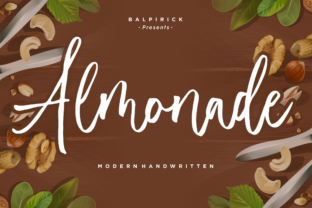
Almonade: Crafting Friendly Visuals with a Handwritten Touch
In the crowded landscape of digital design, a touch of authentic warmth can transform a project from merely functional to genuinely memorable. Almonade, a cute and casual handwritten font, delivers precisely that friendly feel. Whether you’re searching for the perfect typography for Instagram or a charming calligraphy script for DIY projects, this font is designed to turn any creative idea into a true piece of art. Its fluid, approachable strokes offer an instant personality upgrade, making it a valuable asset in a designer's toolkit for projects that require a human, relatable aesthetic.
The Power of a Friendly Typeface in Modern Branding
Typography is a cornerstone of visual communication, and the choice of typeface directly influences brand identity and user perception. A font like Almonade excels in scenarios where connection and approachability are paramount. In an era where consumers crave authenticity, a handwritten style can break down the corporate barrier, fostering a sense of intimacy and trust. This makes it particularly effective for brands in lifestyle, wellness, artisanal goods, and creative services, where the goal is to speak with the audience, not at them.
Practical Applications Across Creative Projects
The versatility of a casual script extends far beyond simple greeting cards. Integrating Almonade into your design workflow can elevate a wide range of materials, enhancing both aesthetics and engagement.
- Brand Identity & Logo Design: A handwritten logo can make a brand feel instantly accessible and unique, setting it apart from competitors using rigid, corporate fonts.
- Social Media Graphics: On platforms like Instagram, where visual storytelling is key, scripts add a personal touch to quotes, announcements, and stories, boosting user engagement.
- Packaging Design: For product labels and packaging, a friendly font communicates artisanal quality and care, appealing to consumers looking for authentic products.
- Website & UI Design: When used sparingly for headers or call-to-action buttons, it can soften the user experience and guide visitors with a welcoming tone.
- Editorial & Print Design: Magazine headlines, book covers, and wedding invitations benefit from the elegant yet casual flow of a quality script.
Tips for Selecting and Using Script Fonts Effectively
While a font like Almonade offers tremendous creative potential, its effectiveness depends on thoughtful application. Choosing the right typography involves more than just aesthetic preference; it requires consideration of readability, scalability, and visual hierarchy.
Ensuring Readability and Accessibility
Handwritten fonts are best used for display purposes—headlines, logos, or short phrases—rather than long body text. Always pair a script font with a clean, highly legible sans-serif or serif font for paragraphs to maintain clarity. Test your designs at various sizes to ensure the details of the letterforms remain crisp, whether viewed on a mobile screen or a printed poster.
Maintaining Brand Consistency
Your typography is a voice for your brand. If you choose a playful, casual script like Almonade, ensure it aligns with your overall brand personality, color palette, and imagery. Consistency across all touchpoints—from your website to your business cards—builds recognition and reinforces your brand message. Consider the emotional resonance: does the font's friendly energy match the experience you promise your customers?
Compatibility and Design Goals
Evaluate how the font interacts with other design elements. Does it complement your chosen imagery? Does it support your visual hierarchy without creating clutter? The goal is to create a cohesive composition where every element, including typography, works together to achieve a specific communication objective, whether that’s inspiring action, conveying luxury, or spreading joy.
Ultimately, the most successful designs are those that balance creativity with strategic intent. Quality creative assets like Almonade provide the raw material, but the designer’s skill lies in applying them purposefully. By understanding the principles of visual hierarchy, audience expectations, and cohesive branding, you can harness the friendly charm of a handwritten font to create designs that are not only beautiful but also deeply effective, turning everyday projects into compelling visual stories.